Explore Key Arboriculture Techniques for Optimal Tree Care
Having knowledge of arboriculture is crucial for ensuring ecological wellness. Key practices such as mulching and pruning are extremely important in promoting tree vitality. In addition, correct irrigation methods are crucial for root establishment. Nonetheless, most people miss the symptoms of sick trees and the importance of hiring professionals. Investigating these factors can result in a better understanding for trees and their care. What steps can one take to help their trees grow strong?
The Significance of Tree Well-being
Understanding the importance of tree health is vital, as trees play a significant role in preserving the ecosystem's equilibrium and improving city settings. Healthy trees contribute to air quality, give shelter, and sustain animal homes. Furthermore, they help lessen climate change by sequestering carbon dioxide, proving their necessity for a sustainable environment.
In urban settings, healthy urban trees enhance the appearance, increase property values, and support public welfare. Trees help diminish the urban heat effect in cities, which saves money on energy.
Failing to care for trees, in contrast, can result in disease, insect problems, and structural instability, presenting hazards to infrastructure and the trees themselves. Therefore, recognizing the indicators of tree health, like the color of the leaves, growth patterns, and the tree's outer layer, is critical for effective management. In the end, caring for vibrant trees benefits not just personal gardens but the wider ecological system, highlighting the necessity for preventative maintenance and care methods.
Key Methods for Pruning
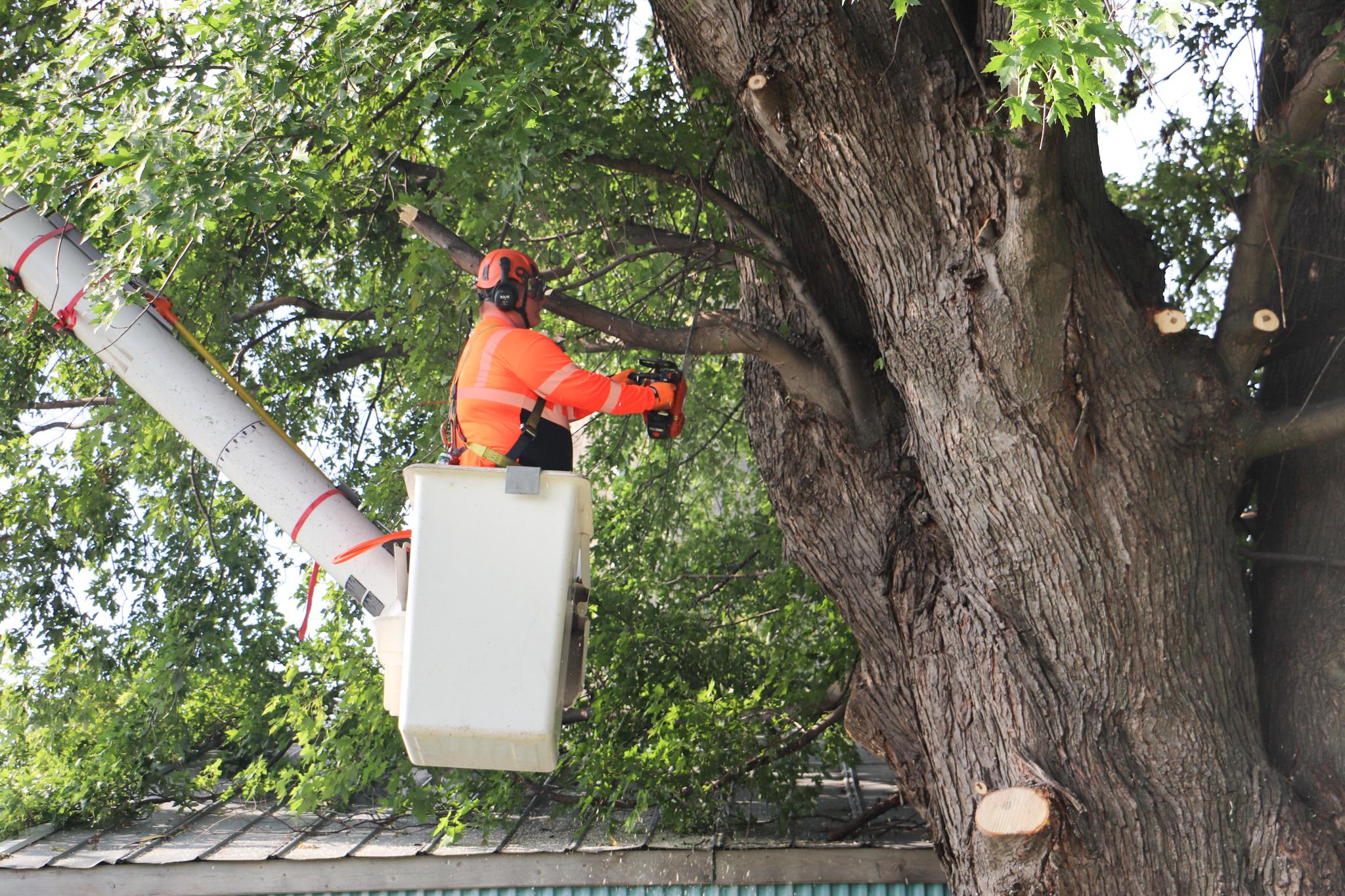
Pruning is an important practice in tree care that ensures optimal development and well-being, as it takes away unhealthy branches and enhances air flow within the canopy. Employing proper techniques guarantees that trees can grow well in their setting.
A key method is "thinning," which requires careful branch removal to enhance light penetration and decrease stress on weaker parts. 'Heading cuts' is a common approach, where the tips of branches are trimmed to encourage thicker growth, mainly in juvenile trees. Furthermore, the 'crown reduction' technique reduces the height and spread of a tree and retaining its natural structure.
Timing is essential; cutting during the inactive period minimizes stress and promotes better wound closure. Pruning implements must be sharp and read more sterile to prevent injury and infection transfer. Knowing these essential trimming methods is necessary for all tree specialists focused on preserving healthy and beautiful trees.
Spotting Frequent Tree Illnesses
How do tree owners identify the signs of common diseases that threaten their trees? Knowing the particular signs is essential for early detection and treatment. Typical signs involve foliage that is off-color or limp, possibly indicating a fungus or nutrient deficiencies. Abnormal formations, such as galls or cankers, can signal the presence of pests or pathogens that compromise tree health. In addition, peeling bark or oozing sap might suggest an infection that require immediate attention.
Owners must also monitor modifications to the tree's appearance, such as branches dying or leaves falling, which could signify a more severe underlying issue. Looking out for insect attacks, like frass or bore holes, is just as critical. Through vigilance and promptness, owners are able to spot these frequent ailments and seek appropriate remedies, making sure their trees stay strong and lively throughout the seasons.
Mulching's Importance for Tree Health
Applying mulch is a vital method in tree care, giving various benefits that promote healthy growth and resilience. This technique requires placing a covering of specific material types around the base of a tree, which helps retain soil moisture, suppress weeds, and stabilizing soil warmth. The mulch covering doesn't just limit rivalry from unwanted vegetation but also improves the look of the area.
In addition, organic mulches, like bark or wood chips, gradually decompose, enriching the soil with crucial nutrients and enhancing the soil's composition. This natural breakdown aids in root growth and creates a more robust setting for the tree. Furthermore, applying mulch helps stop soil erosion, maintaining the stability of the tree’s root system. When applied correctly mulch must be distributed in a ring shape, avoiding direct contact with the trunk to stop decay. In conclusion, incorporating mulching into tree care routines considerably contributes to the long-term health of trees.
Optimal Watering Methods for Trees
Good tree maintenance demands not only mulching but also proper watering practices to guarantee ideal growth and health. Tree specimens, particularly newly planted ones, require steady hydration to establish strong root systems. It is vital to water deeply, as it encourages roots to grow downwards where moisture is more consistent. Preferably, trees ought to get approximately an inch of water per week, be it from precipitation or supplemental irrigation.
Watering should be done during the early morning hours to cut down on evaporation and fungal diseases. It is important to avoid overwatering, which often causes root decay and other issues. The soil should be checked for moisture before watering; if the top two inches are dry, then watering is necessary. Moreover, employing a soaker hose or drip irrigation delivers a gradual, continuous stream of water, guaranteeing trees are sufficiently hydrated without the danger of water runoff. Effective hydration techniques greatly contribute to the overall health of trees.
Hiring Professional Tree Services: Reasons and Necessity
In evaluating the health and aesthetics of a property, engaging expert tree care can be crucial for homeowners with complicated tree maintenance requirements. Expert tree specialists have the expertise to assess tree health, recognize pathogens, and implement effective treatments. Professionals are familiar with local regulations concerning tree removal and maintenance, guaranteeing compliance and avoiding potential fines
(Stillwater Tree Service)Property owners ought to hire experts when dealing with big trees, specifically trees near homes or power lines, as incorrect care can lead to dangers. Furthermore, trees requiring pruning for aesthetic or health reasons gain from the abilities of trained specialists who can execute precise cuts to stimulate new growth
Periodic maintenance, such as preparing for storms and debris cleanup, also warrant professional intervention to ensure site security and appearance. Ultimately, hiring certified arborists makes certain trees get the best attention, thereby enhancing the entire outdoor space and home valuation
Questions and Answers
How Can I Tell if My Tree Is Drowning?
Symptoms of excessive watering are chlorotic leaves, drooping even when the ground is wet, decaying roots, and premature shedding of leaves. In addition, the appearance of mushrooms around the base often suggests slow soil percolation and waterlogged conditions.
What's the Optimal Season for Tree Pruning?
The optimal period to prune trees is typically late winter to early spring before the onset of new foliage - Stillwater Tree Service. This timing promotes robust regeneration and minimizes stress on the tree, enabling rapid wound closure and further growth
Do Trees Bounce Back After Significant Weather Events?
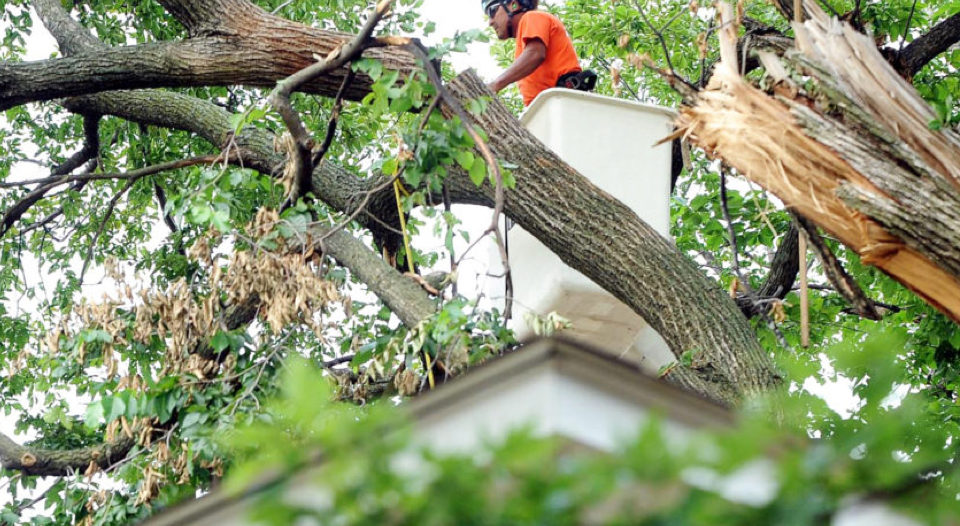
Yes, trees can recover from severe storm damage. With proper care, such as pruning damaged limbs and providing adequate water and nutrients, a lot of trees can become healthy again and keep growing strong following a stressful event.
What Is the Process for Selecting the Right Mulch for My Trees?
In order to pick the best mulch, look for natural materials for example, bark nuggets or wood shavings, guarantee proper depth of 2-4 inches, and keep mulch away from the tree collar to minimize fungal issues.
Are There Specific Trees That Require More Care Than Others?
Some species, like young trees and fruit-bearing plants, demand more care because they react strongly to environmental shifts and unique feeding requirements. Consistent observation and customized care routines are vital for their condition and development.